Retro Halloween SVG Design Review
As a designer who spends half my life staring at stitch lines and the other half worrying about thread tension, I don’t just buy designs; I interrogate them. When Retro Halloween SVG Design, when Witc landed in my inbox, my first instinct was to ask: does this actually work for embroidery, or is it just another pretty picture that falls apart under the needle? The product description promises four files—SVG, PNG 300 dpi, EPS, and DXF—and claims suitability for cutting machines like Cricut and Silhouette. That part is straightforward. But for us in the machine embroidery world, the real question is how those vector shapes translate into a tangible, sellable handmade product.
First Impressions and Visual Personality
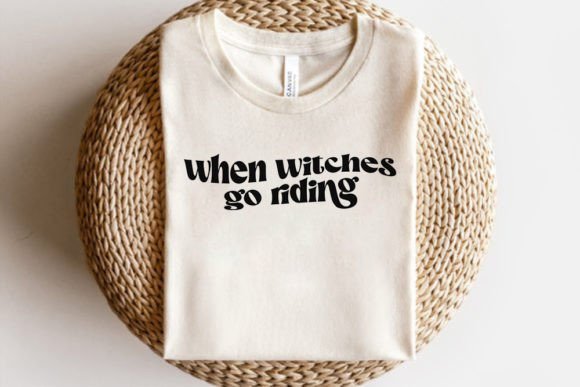
The moment you open the file, the retro aesthetic hits you. It’s not trying to be scary; it’s leaning into that cozy, nostalgic vibe that has taken over home decor and apparel lately. The phrase "When witches go riding" is playful, and the accompanying graphics (assuming the classic broomstick or silhouette imagery associated with this popular phrase) feel balanced. For an T-Shirt Designs category item, this is gold. It feels like something you’d see on a vintage band tee from the seventies, which translates surprisingly well to modern streetwear.
The layout seems designed for versatility. It doesn’t scream for a massive chest print, nor does it beg to be a tiny pocket detail. It sits comfortably in that sweet spot of medium-scale design, making it ideal for a standard 4x4 or 5x7 hoop. The visual personality is confident but approachable. It suggests a brand that values humor and tradition over gore or shock value. This matters because your customers are buying into a feeling, not just a graphic.
Real-World Application: From Screen to Stitch
Let’s talk about where this design would actually shine in a commercial setting. I immediately pictured this on a heavyweight cotton sweatshirt for a fall craft fair booth. The retro theme pairs perfectly with autumnal color palettes—mustard yellows, burnt oranges, and deep purples. Imagine this stitched in a high-quality polyester thread on a charcoal gray hoodie. The contrast would pop, and the nostalgic text would invite conversation.
But let’s look beyond the apparel. This embroidery project has serious potential as a personalized gift. I’m thinking about custom embroidered patches for denim jackets or canvas tote bags. A tote bag design featuring this retro witch motif is exactly the kind of item that sells out quickly during the October rush. It’s giftable, it’s thematic, and it feels handmade rather than mass-produced. For an Etsy seller, this is a low-risk, high-reward asset because the theme appeals to a broad demographic, from young adults to grandparents looking for unique holiday gifts.
Consider the baby market too. While "witches" might sound intense to some, the retro style softens the blow. On a onesie or a nursery blanket, rendered in pastel threads with a satin stitch outline, it becomes whimsical rather than spooky. It fits right into the current trend of gender-neutral, storybook-inspired nursery decor.
Technical Performance and Potential Pitfalls
Here is where we need to be realistic. Not every file plays nice with every fabric. Because this is originally marketed as an SVG for cutting machines, we have to assume the original artwork relies heavily on clean lines and solid shapes. In machine embroidery, we convert these into stitches. If the design includes fine details or tiny lettering, you need to check the stitch density carefully. Dense stitching on thin fabrics can cause puckering, while sparse stitching on textured fabrics can get lost.
I strongly advise testing this design on scrap fabric before committing to a final product. Pay attention to the corners and curves. If the design features intricate swirls or small decorative accents, ensure your machine can handle the transition between fill stitch and running stitch without tangling. Also, consider the background. If you are embroidering on dark fabric, you’ll need a stable base layer of white or contrasting thread to make the colors sing. On light fabrics, you might skip the backing if the design allows, saving time and material.
Another critical factor is the hoop size. Ensure the design fits within your intended hoop dimensions without awkward cropping. If you plan to put this on a cap or hat, remember that curved surfaces distort flat designs. You may need to adjust the scaling or use a specific cap hoop attachment to maintain the integrity of the text and graphics.
Material and Stabilizer Choices
The success of this finished product often comes down to what’s underneath. For stretchy fabrics like jersey knits used in t-shirts, a cut-away stabilizer is non-negotiable to prevent distortion. For woven fabrics like canvas totes or aprons, a tear-away might suffice, but a wash-away provides the cleanest finish if you want no visible backing. Always match your thread colors to the mood. Gold and black create a classic Halloween vibe, while purple and orange offer a more vibrant, festive look.
Commercial Viability and Brand Consistency
For the craft business owner, consistency is key. Using a cohesive design language helps build brand recognition. If you’re selling a line of holiday items, having a strong anchor piece like this retro witch design ties everything together. It elevates the perceived value of your items. A customer is more likely to trust a shop that presents professional, well-executed embroidery than one that looks haphazard.
However, always verify the licensing terms. Just because you bought the digital file doesn’t automatically mean you have the right to sell unlimited finished goods. Some licenses restrict the number of units you can produce, while others allow full commercial use. Check the provider’s terms regarding commercial embroidery rights before listing your products on Etsy or your own website. This protects your small shop from legal headaches down the road.
Final Verdict
Retro Halloween SVG Design, when Witc is a solid addition to any designer’s library. It bridges the gap between digital cutting and physical embroidery with ease. Its strength lies in its versatility—it works on apparel, accessories, and home decor. It captures a specific mood that resonates with buyers looking for something fun and seasonal without being overly aggressive.
If you are preparing for the holiday rush, this design offers a reliable way to create eye-catching merchandise. Just remember to test, stabilize properly, and choose your materials wisely. When executed correctly, it transforms from a simple vector file into a cherished personalized gift that customers will wear and show off all season long. For the savvy maker, it’s a smart investment of time and resources.