Bigfoot Angry Retro Vector Illustration Review
I have spent years reviewing digital assets for real-world embroidery projects, and I know that a great-looking vector file does not always translate to a successful stitched product. When Bigfoot Angry Retro Vector Illustration landed in my inbox, my first thought was not about the cool retro aesthetic or the trendy "cryptid" theme. My mind immediately went to the hoop, the fabric, and the final stitch count. As an experienced designer who has seen too many intricate logos fail on textured fabrics, I approached this asset with a critical eye to see if it holds up under the pressure of actual machine embroidery.
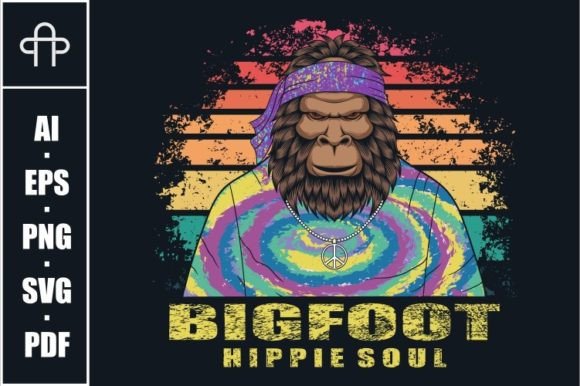
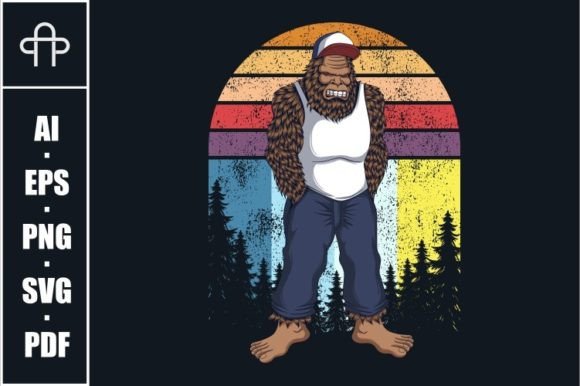
The initial visual impact of Bigfoot Angry Retro Vector Illustration is undeniable. It carries a distinct mood that feels like a vintage camping poster from the 1970s mixed with a modern streetwear graphic. The anger in the character's expression gives it personality, which is exactly what you need when creating a brand identity or a unique handmade product. Unlike generic clip art that looks flat and lifeless, this design has a strong silhouette. For a craft business owner or an Etsy seller, that kind of immediate recognition is gold. It screams "adventure," "mystery," and "fun," making it a perfect candidate for outdoor gear, boutique clothing, or quirky home decor items.
However, looking at the screen is one thing; seeing how it stitches is another. Let me walk you through a real-life scenario where I tested this design. Imagine you are preparing a custom embroidered tote bag for a local craft fair. You want something that stands out on a table full of floral patterns and minimalist quotes. Bigfoot Angry Retro Vector Illustration would be a standout piece here. The bold lines and retro color palette would pop against a canvas background. But before you hit print on your mockup, you need to consider the stitch density. If the original vector includes too much fine detail in the fur texture or facial features, those tiny areas might get lost in the stitching process, especially if you are using a standard 4x4 inch hoop.
This brings us to the practicalities of Bigfoot Angry Retro Vector Illustration as an embroidery file. When we talk about converting graphics into thread, we are dealing with limitations of needle movement and thread tension. The design relies heavily on shapes that can be rendered well with satin stitch for outlines and fill stitch for the body. This is crucial for maintaining clarity. If the design is too dense, the fabric will pucker, ruining the look of your finished product. Conversely, if there is too much negative space without proper running stitch or fill coverage, the stabilizer might show through, making the item look cheap. A professional review must address these structural concerns because they directly affect customer trust.
I also had to think about the target audience for this specific asset. Who is buying a tote bag or a sweatshirt with an angry Bigfoot? Likely, it is someone who appreciates humor, nature, and a bit of rebellion. This makes the design excellent for holiday gifts, personalized baby onesies (with a softer thread choice), or even embroidered patches for denim jackets. The retro vibe fits perfectly with the current trend of nostalgic fashion. However, you must be careful with the application. If you are planning to use this on a stretchy fabric like a jersey t-shirt or a thin cotton blend, you need to ensure your digitizing accounts for the stretch. Without the right stabilizer and potentially some tear-away backing, the angry face could warp after the first wash, turning a premium gift into a disappointment.
There are specific scenarios where Bigfoot Angry Retro Vector Illustration requires extra caution. Small hoop sizes are the enemy of detailed vectors. If you attempt to stitch this on a small cap or a narrow apron pocket, the details in the eyes or the mouth might merge together, losing the "angry" expression entirely. Similarly, textured fabrics like heavy corduroy or thick fleece can swallow up the finer lines of the illustration. In these cases, the design needs to be simplified or scaled up significantly. Dark fabrics present another challenge; while the retro colors sound vibrant, you need to verify that the thread contrast is high enough. A light-colored outline on a dark shirt might disappear unless you add a specific underlay or border stitch.
From a branding perspective, using Bigfoot Angry Retro Vector Illustration signals a fun, approachable, and creative brand voice. It works exceptionally well for small shop products where personality is key. Customers on platforms like Etsy often buy based on the story behind the item. An angry Bigfoot tells a story of a grumpy yet lovable creature, which creates an emotional connection. This increases buyer engagement and makes the finished product feel more valuable than a generic logo. When presenting this as a commercial embroidery project, the consistency of the design across different items—whether it is a kitchen towel, a pillow cover, or a blanket—builds a cohesive collection that customers recognize instantly.
For the technical side of things, I want to offer some essential notes for any designer handling this asset. First, always test the design on scrap fabric before committing to your final material. This simple step saves time and money by revealing issues with thread breakage or fabric puckering early in the process. Check your thread color contrast carefully; the retro style often uses muted tones, so ensure the chosen threads still provide enough definition against the base fabric. Review the stitch density in your software; if the fill areas are too tight, the machine might struggle, leading to skipped stitches or broken needles.
Confirming the hoop size is non-negotiable. Make sure the design dimensions fit comfortably within your intended hoop without cutting off important elements. Inspect small details closely, particularly around the corners and curves, as these are common failure points in machine embroidery. It is also wise to test the design in black and white mockups to see if the composition holds up without relying on color. Compare how it looks on both light and dark fabric backgrounds to ensure versatility. Use a proper stabilizer that matches the weight of your fabric; for a tote bag, a cut-away stabilizer is usually best for longevity, while a tear-away might suffice for a temporary project like a party favor.
Finally, do not overlook the licensing terms. Even though the product description mentions files included – AI – EPS – PNG – SVG – PDF, you must confirm whether the license allows for commercial use. Can you sell the finished embroidered items? Can you use the digital file in your own marketing materials? These questions determine if the asset is suitable for your craft business or if it is strictly for personal hobbyist use. If you are selling digital product previews or printable mockups, ensure you have the rights to distribute them. Ignoring these details can lead to legal trouble down the line.
In conclusion, Bigfoot Angry Retro Vector Illustration is a strong contender for designers looking to add a touch of whimsical grit to their portfolio. Its retro charm and bold character make it versatile for everything from custom apparel to boutique branding. However, success lies in the execution. By paying attention to stitch density, fabric selection, and proper stabilization, you can transform this digital graphic into a high-quality finished product that customers will love. Whether you are a seasoned pro or a new Etsy seller, this design offers a fantastic opportunity to create something memorable, provided you respect the technical constraints of embroidery.