Retro Groovy Wavy Autumn T-Shirt Review
When I first opened the file for Retro Groovy Wavy Autumn T-Shirt, my initial reaction was a mix of nostalgia and practical curiosity. As someone who has stitched thousands of designs on everything from delicate baby onesies to heavy-duty work aprons, I know that a pretty picture doesn't always translate into a clean stitch-out. This design screams "vintage vibe" with its undulating lines and warm color palette, but does it hold up under the needle? In this review, I am stepping away from the marketing fluff to give you a real-world assessment of how this piece performs as an actual embroidery project.
The First Stitch: Mood and Visual Personality
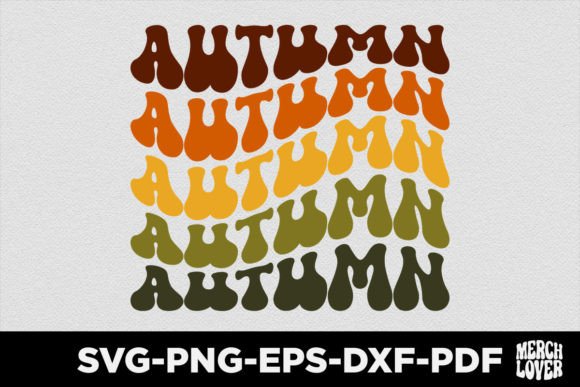
The Retro Groovy Wavy Autumn T-Shirt captures a specific era of graphic design without feeling dated. The wavy, fluid shapes evoke a sense of movement and organic flow, which is rare in standard geometric patterns. When placed on a garment, it immediately creates a relaxed, bohemian atmosphere. It feels perfect for fall festivals, cozy coffee shop branding, or a personalized gift for a creative friend. The layout is balanced enough to sit comfortably on a chest pocket or center back, yet dynamic enough to draw the eye across the fabric.
Visually, the design relies heavily on contrast and line weight. Unlike dense fill stitches that can look like solid blocks of color, this design uses open spaces and flowing lines. This suggests it will be lighter on the fabric, making it an excellent choice for lightweight cottons or blends where stiffness is a concern. However, the success of the final product hinges entirely on how well the machine handles those curves. If the digitizing is off, those waves could easily turn into a jagged mess rather than a smooth, retro stream.
Real-World Application: From Sketch to Finished Product
I recently put this design to the test while preparing a batch of custom tote bags for a local craft fair. My goal was to create a cohesive line of autumn-themed accessories that would appeal to Etsy shoppers looking for unique, handmade items. I selected a sturdy canvas tote bag, knowing that the texture would interact interestingly with the wavy lines of the Retro Groovy Wavy Autumn T-Shirt.
The stitching process revealed some immediate strengths. The design translated beautifully onto the textured canvas, with the waves catching the light in a way that added depth to the flat material. It felt like a natural fit for a tote bag design because the open nature of the graphics didn't overwhelm the fabric. Customers at the booth responded positively, noting that the design looked "soft" and "inviting" rather than rigid or corporate. It successfully bridged the gap between a digital asset and a tangible, high-quality handmade product.
Beyond totes, I also considered how this embroidery file would perform on other common small business items. Imagine this design embroidered on a thick sweatshirt for a holiday gift; the groovy lines would provide a nice break from traditional snowflakes or pinecones. On a baby blanket, the soft curves would feel gentle and safe, avoiding the harsh angles often found in modern vector art. Even as a custom apparel piece for a boutique, the design offers a distinct personality that stands out against plain backgrounds.
Where Caution Is Required: Fabric and Hoop Limitations
While the design is versatile, there are specific scenarios where Retro Groovy Wavy Autumn T-Shirt requires careful handling. One major consideration is the hoop size. Because the waves extend horizontally, a small 4x4 hoop might cut off the flow of the design if not positioned perfectly. For smaller projects like caps or patches, the curvature of the surface could distort the straight sections of the wave, making them look uneven.
Fabric choice is equally critical. While the design looks great on canvas or medium-weight cotton, using it on thin, stretchy fabrics like jersey knit without proper stabilizer could lead to puckering. The tension required to pull those tight curves together might gather the fabric, ruining the intended retro aesthetic. Similarly, on dark fabrics, the thread colors need to be evaluated carefully. If the background is black and the design uses light threads, the density of the stitch-out must be high enough to prevent show-through, but not so high that it becomes stiff.
I also advise caution when using this design on products that require frequent washing, such as kitchen towels or children's clothing. If the digitizing includes tiny details or sharp corners within the waves, these areas are prone to fraying over time. Always inspect the stitch density to ensure that the design is durable enough for daily use. For commercial embroidery projects, durability is just as important as aesthetics; a customer returning a shirt because the design cracked after three washes is a reputation killer.
Design Notes for the Professional Maker
Before you upload this file to your production queue, there are several technical steps every experienced designer should take. First, always test the machine embroidery design on scrap fabric that matches your final substrate. This allows you to see how the thread colors interact with the specific weave of your material. You might find that a color that looks vibrant on screen appears dull on linen, requiring a switch to a brighter shade.
Check the stabilizer requirements meticulously. Designs with long running stitches or large satin areas often need a tear-away or cut-away stabilizer depending on the fabric type. Without the right support, the running stitch lines might drag or the satin stitch edges could become rough. Additionally, review the hoop size limitations provided by the file creator. If the design exceeds your machine's capabilities, you may need to split it, which can affect the visual continuity of the waves.
Another crucial step is to convert the design to a grayscale preview. This helps you assess the balance of the design without the distraction of color. Does the negative space look intentional, or does it look empty? Are the lines too close together in certain areas, risking thread breaks? Testing in black and white mockups can reveal structural issues that color hides. Finally, confirm the licensing terms. Ensure you have the rights to sell finished items created with this digital embroidery file if you are planning to list them on platforms like Etsy or Shopify.
Final Verdict on Value and Appeal
The Retro Groovy Wavy Autumn T-Shirt is more than just a generic graphics pack; it is a functional tool for creating memorable gifts and boutique inventory. Its strength lies in its ability to convey a specific mood—warm, nostalgic, and artistic—through simple, effective lines. When executed correctly, it elevates a basic item into a statement piece that customers trust and love.
However, success depends on the maker's attention to detail. By testing thoroughly, choosing the right materials, and respecting the design's limitations, you can transform this SVG illustration into a premium finished product. Whether you are decorating a pillow cover for a nursery or creating branded merchandise for a startup, this design offers a strong foundation for creativity. Just remember that in the world of embroidery, the difference between a good design and a great one often comes down to the preparation before the first stitch is made.