Retro Graduation SVG Design, the Tasse
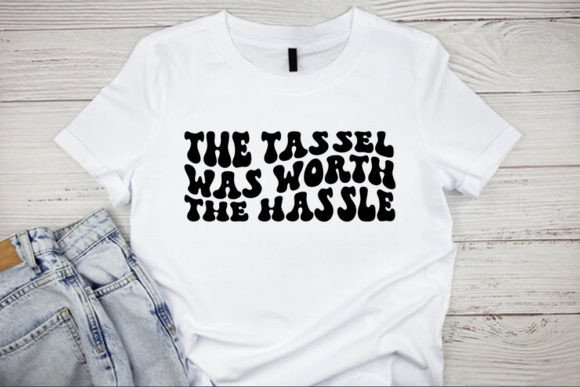
When I first opened the folder for Retro Graduation SVG Design, the Tasse, I wasn't just looking at a graphic; I was visualizing the finished stitch. As a designer who has spent years testing digital assets on everything from delicate baby rompers to heavy-duty workwear, my first impression is often about texture and intent. This design immediately struck me as having a distinct personality. It isn't just a generic "Class of 2024" logo; it carries a nostalgic, vintage vibe that suggests a specific era of style while remaining modern enough for current trends. The phrase "the tassel was worth the hassle" adds a layer of humor and relatability that feels perfect for a handmade product line.
I am reviewing this piece not as a basic download, but as a potential commercial asset. Would it hold up in a real-world embroidery machine? Does it translate well from a vector file to a tangible object? Let's walk through how this design behaves when we move from the screen to the hoop.
From Screen to Stitch: Visualizing the Real Project
The strongest selling point of Retro Graduation SVG Design, the Tasse lies in its versatility across different fabric types. Imagine you are an Etsy seller preparing inventory for a boutique graduation party. You need a product that stands out on a shelf but also feels personal. This design works exceptionally well on a canvas tote bag. The retro aesthetic pairs beautifully with natural or earth-toned canvas, creating a sophisticated look that appeals to college students and parents alike.
However, let's consider a more challenging scenario: a custom sweatshirt. When embroidering onto fleece or heavy cotton blends, the density of the fill stitches becomes critical. If the design includes large blocks of color, they can sometimes pucker if the stabilizer isn't chosen correctly. Based on the layout, this design appears to have a balanced mix of lettering and graphical elements. It avoids the trap of being too tiny, which is a common issue with many digital files. The curves in the retro font likely require a satin stitch approach, which should give the text a nice, raised finish that catches the light.
I also see this working perfectly for baby items. A onesie embroidered with this playful message would make a fantastic gift. The key here is thread selection. Because the design has a retro feel, using muted tones like sage green, mustard yellow, or dusty rose against a white or cream background would elevate the perceived value of the finished product. It moves away from the standard black-on-white cliché and offers a unique brand identity.
Where to Use It and Where to Pause
While Retro Graduation SVG Design, the Tasse is robust, every machine embroidery design has its limits. I would advise caution when attempting to use this on small hoop sizes or very curved surfaces like baseball caps. If the design features intricate details or small lettering, placing it on the crown of a cap might result in distortion because the fabric stretches differently around the curve. For caps, I recommend scaling the design down slightly or focusing on a smaller patch application rather than stitching directly onto the curved surface.
Another area to watch is thin or stretchy fabrics. While this design looks great on sturdy materials like denim, aprons, or pillow covers, applying it to a lightweight jersey knit without proper stabilization could lead to significant puckering. The tension of the embroidery threads pulls the fabric inward, and if the base material cannot resist that pull, the final image will look distorted. Always test on scrap fabric first to gauge the stability required.
Dark fabrics present another challenge. If you plan to embroider this on a navy blue hoodie, you must ensure the underlay stitches are sufficient to cover the dark background. Without a good underlay, the lighter retro colors might appear dull or muddy. In these cases, a high-density fill stitch might be necessary, which increases the time on the machine and the risk of thread breaks. If you are running a high-volume business, factor in that extra production time.
Technical Execution and Professional Results
For those of you running a craft business, the quality of the embroidery file is just as important as the design itself. The product description mentions SVG, PNG, EPS, and DXF formats, which is excellent for compatibility with cutting machines like Cricut and Silhouette, as well as digitizing software. However, remember that a vector file is not always ready for immediate stitching. You may need to convert these into a native machine format (like .PES, .DST, or .JEF) depending on your specific embroidery machine.
Before launching a full production run, I strongly suggest running a test on a scrap piece of the actual fabric you intend to sell. Check the stitch density to ensure there are no gaps in the satin stitches or overly dense areas that might cause the needle to break. Also, inspect the corners of the design. Retro fonts often have sharp angles or serifs that can look jagged if the digitization isn't precise. If the design has any tiny text, zoom in on your mockup to ensure it remains legible after stitching.
Thread color contrast is another vital factor. A digital embroidery file allows you to swap colors easily in the software, but the physical result depends on the sheen and weight of the thread you choose. Using a metallic thread for the accent parts of the tassel could add a luxurious touch, making the item feel more premium. Conversely, using a matte polyester thread might give it a more casual, vintage look. Experimentation is key to finding the right aesthetic for your brand.
Maximizing Value for Your Customers
When you sell a finished product featuring Retro Graduation SVG Design, the Tasse, you aren't just selling a shirt; you are selling a memory. The phrase "worth the hassle" resonates with anyone who has navigated the stress of exams and deadlines. By offering this design on personalized gifts, such as monogrammed tote bags or family matching shirts, you create an emotional connection with the buyer. This emotional resonance often leads to higher customer trust and repeat business.
For digital product sellers, this design serves as a versatile asset. You can create printable mockups showing the design on various products—pillow covers, kitchen towels, or even laptop sleeves—to help customers visualize the final outcome. These mockups are essential for online sales, allowing buyers to see how the embroidery project translates to their own space.
If you are a hobbyist looking to upgrade your skills, this design offers a great opportunity to practice managing different stitch types. Pay attention to how the running stitch or fill stitch interacts with the background fabric. Understanding these interactions will improve your overall craftsmanship and the longevity of your handmade products.
Final Thoughts on Practical Application
In conclusion, Retro Graduation SVG Design, the Tasse is a strong candidate for both personal projects and commercial ventures. Its retro charm and witty message make it stand out in a crowded market of graduation merchandise. Whether you are decorating a baby blanket for a new graduate or creating a line of boutique apparel, this design has the potential to deliver a professional and polished result.
Just remember to respect the technical limitations of embroidery. Test your setup, choose the right stabilizer, and pay close attention to thread choices. With careful execution, this design can become a staple in your collection of design assets. It bridges the gap between digital creativity and tangible art, proving that sometimes, the tassel really is worth the hassle.