Is the Retro Sublimation Bundle Ready for Your Embroidery Projects?
As a designer who has spent years turning digital files into tangible, stitched masterpieces, I approach every new asset with a mix of excitement and skepticism. When I first laid eyes on the Retro Sublimation Bundle, my initial reaction was less about the file formats and more about the mood it evoked. It screams nostalgia, but does it translate well when the needle hits the fabric? In this review, I am putting aside the marketing fluff to discuss how this design actually performs in a real-world embroidery scenario, specifically looking at its potential for custom apparel, small business merchandise, and handmade gifts.
The First Stitch: Visual Personality and Design Intent
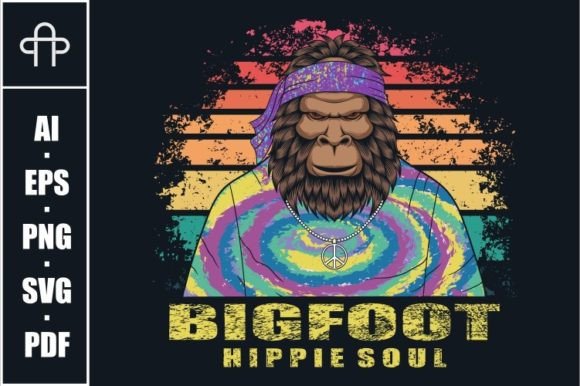
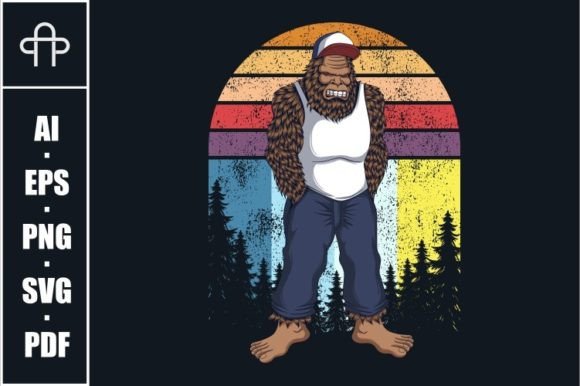
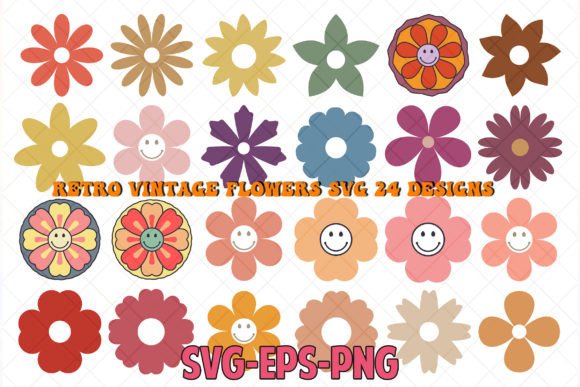
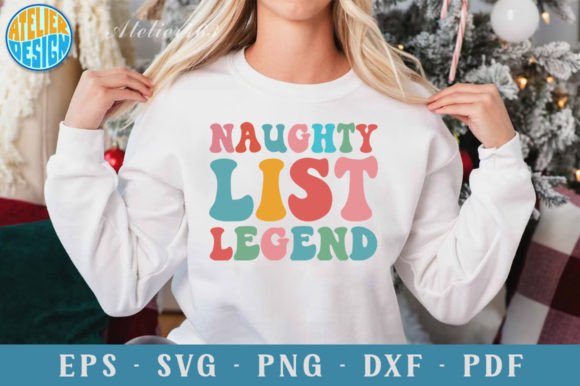
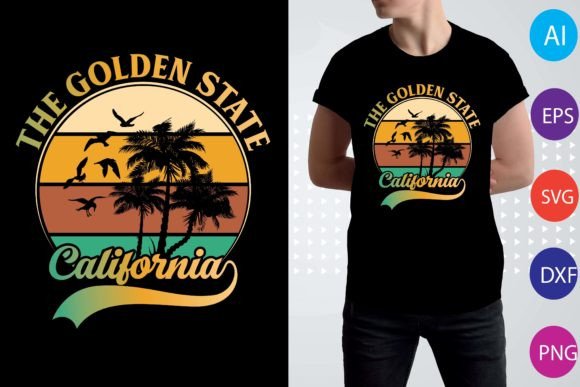
The Retro Sublimation Bundle arrives as a collection of Illustrations and Graphics that promise versatility. The visual personality is distinct; it leans heavily into vintage aesthetics, which are currently dominating the craft market. However, the transition from a sublimation-ready image to a machine embroidery design requires careful scrutiny. The layout suggests a bold statement piece rather than a subtle accent. For an embroidery project to succeed, the lines must hold up under tension, and the shapes must remain recognizable even after the stabilizer is removed.
When I imagine this design on a finished product, it feels like it belongs on a heavy cotton tote bag or a thick-walled sweatshirt. The retro theme naturally aligns with brands that value heritage and craftsmanship. It creates an immediate sense of warmth and authenticity, which is exactly what customers look for when buying personalized gifts or browsing Etsy listings. The design assets provided in this bundle seem tailored to create a cohesive brand identity, making them ideal for small shop products that need to stand out on a crowded marketplace shelf.
Real-World Application: From Digital File to Finished Product
Let's walk through a practical scenario. Imagine you are preparing for a holiday craft fair and need a quick batch of custom apparel. You decide to use the Retro Sublimation Bundle to create embroidered patches for denim jackets or to add a focal point to aprons for a kitchen-themed pop-up store. This is where the true test begins. Unlike printing, where ink sits on top of the fabric, embroidery interacts with the weave.
In this context, the embroidery file needs to be robust. If the design features intricate details, they might get lost in the stitching process, especially if the thread count is too high for the chosen fabric. I envision this design working exceptionally well for tote bag designs where the canvas provides enough stability for a dense stitch pattern. It would also shine on sweatshirt embroidery, where the texture of the fleece helps anchor the threads and adds depth to the retro graphics. For baby embroidery, however, one must be cautious; while the aesthetic is cute, the density of the stitches must be reduced to ensure comfort against delicate skin.
The versatility extends beyond clothing. Think of kitchen towels or pillow covers featuring this motif. These items often serve as holiday embroidery pieces or wedding gifts. The design's ability to convey a specific era or style can elevate a simple household item into a collectible. When used correctly, the finished product looks professional, reinforcing brand consistency and building customer trust. A poorly executed design can make a boutique feel amateurish, but a well-stitched version of the Retro Sublimation Bundle signals quality and attention to detail.
Navigating Challenges: Where Caution is Key
Despite its charm, the Retro Sublimation Bundle is not a one-size-fits-all solution. There are specific scenarios where this design might struggle without significant adjustments. One of the primary concerns is the hoop size. If the design includes tiny lettering or very fine decorative accents, attempting to stitch it in a small hoop could result in distortion. The fabric may pucker, causing the stitch density to look uneven and ruining the clean lines of the illustrations.
Textured fabrics present another hurdle. While a rough linen or a chunky knit sweater adds character, it can make it difficult for the needle to penetrate evenly. On thin or stretchy fabrics, such as lightweight t-shirts or jersey knits, the design could cause the material to warp. This is particularly problematic for embroidered patches intended for curved surfaces like caps. The curvature of a hat changes the angle of the needle entry, which can stretch the design if the underlying stabilizer isn't perfectly matched to the fabric weight.
Dense stitch areas are also a consideration. If the design relies heavily on fill stitch to create solid blocks of color, it might become too stiff for items that require drape, like a flowing dress or a fitted shirt. Furthermore, if the design includes small details that rely on running stitch or satin stitch for definition, these elements can break down over time, especially on items that will undergo frequent washing. For commercial embroidery projects where durability is paramount, testing the washability of the final product is non-negotiable.
Practical Designer Notes for Success
To get the most out of the Retro Sublimation Bundle, I recommend a rigorous pre-production workflow. Always start by testing the design on scrap fabric that matches your final project material. This step allows you to evaluate the thread colors and ensure there is sufficient contrast between the thread and the fabric background. A design that looks vibrant on a screen might appear muddy on dark fabric if the thread selection isn't optimized.
Review the stitch density carefully. High-density designs look great in mockups but can cause puckering in reality. Use proper stabilizer to support the fabric during stitching; this is crucial for maintaining the shape of the embroidery design. Inspect small details closely; sometimes, what looks like a single line in the digital embroidery file might split into multiple strands during stitching, creating unintended gaps. Testing the design in black and white mockups can also help visualize how the negative space and positive shapes interact without the distraction of color.
Before committing to a large run of craft business items, confirm whether the license allows for commercial use. Many creators assume that because they purchased a digital download, they can sell unlimited quantities of finished goods. Verify the terms regarding design assets and printable mockups. Additionally, consider the longevity of the product. Will the design withstand the wear and tear of daily use? If you are selling handmade products or boutique branding items, the quality of the embroidery directly impacts your reputation.
Final Thoughts on Value and Versatility
The Retro Sublimation Bundle offers a compelling set of tools for designers and entrepreneurs looking to expand their offerings. Its retro aesthetic fits seamlessly into current trends for apparel decorators and creative entrepreneurs. Whether you are creating graphic tees, personalized baby items, or unique holiday gifts, this bundle provides a strong foundation. However, success lies in the execution. By understanding the limitations of embroidery versus sublimation and applying careful planning, you can transform these digital files into high-value physical goods.
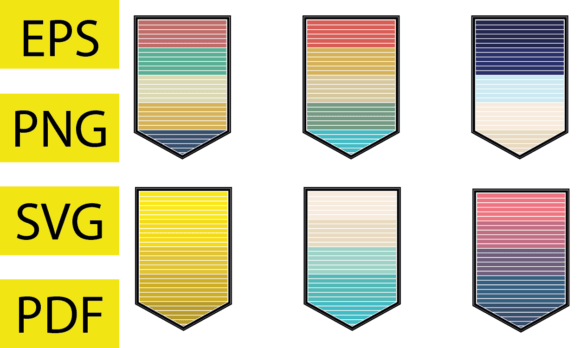
For those willing to invest the time in testing and refinement, the Retro Sublimation Bundle can be a valuable addition to your toolkit. It supports the creation of professional looking items that resonate with buyers seeking authenticity. Just remember to check the specifics of the included files—such as the EPS, SVG, PNG, and PDF formats mentioned in the description—and adapt them to your specific machine capabilities. With the right approach, this design package can help you build a loyal customer base and establish a recognizable brand presence in the competitive world of handmade crafts.