Coffee Retro Wavy Svg Review for Real Embroidery
I have spent years stitching, designing, and reviewing digital assets for my own small shop and client work. When I first pulled up the Coffee Retro Wavy Svg, I didn't just see a pretty graphic; I saw a potential bestseller. But in the world of machine embroidery, what looks good on a screen often fails miserably under the needle. As an experienced designer evaluating this piece for real project use, I wanted to dig deep into how this design actually performs when translated from a vector file to a stitched reality.
The First Impression: Mood and Visual Personality
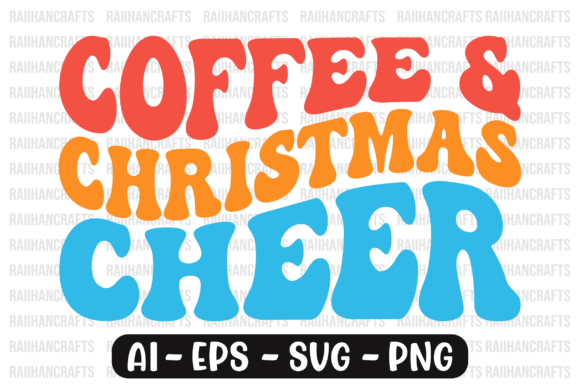
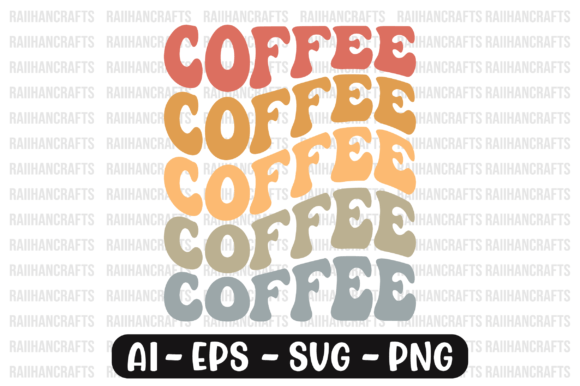
The moment you open the file, the Coffee Retro Wavy Svg exudes a specific kind of nostalgia. It isn't just about coffee; it is about the vibe of a slow Sunday morning, a cozy corner café, or that warm feeling of being supported by friends. The wavy lines create a fluid motion that feels organic rather than rigid, which is rare in many retro-themed designs. This visual personality makes it incredibly versatile.
Unlike blocky, geometric logos that can look stiff on soft goods, the curves here suggest movement. For a handmade product like a tote bag or a kitchen towel, this design immediately elevates the perceived value. It doesn't scream "mass-produced"; it whispers "crafted with care." The layout is clean enough to be legible even at smaller scales, yet detailed enough to hold interest on larger garments. It strikes that delicate balance between simple and sophisticated that Etsy sellers and boutique owners are always chasing.
Real-World Application: From Screen to Stitch
To truly understand the utility of this embroidery file, I ran a mental simulation of using it in a few common scenarios. Let's say I am preparing a custom embroidered sweatshirt for a local coffee shop owner who wants to gift her staff. The retro aesthetic fits perfectly with a vintage-style logo. However, the success of this embroidery project depends entirely on execution.
If I were placing this on a thick cotton fleece sweatshirt, the wavy lines would likely require a satin stitch outline to prevent the edges from fraying during wear. The fill areas need to be dense enough to cover the fabric texture but not so dense that they cause puckering. On a lighter item, like a baby onesie or a nursery pillow cover, the design takes on a softer tone. The curves mimic the gentle lines found in nursery decor, making it a perfect candidate for baby embroidery projects where parents want something unique but not overly aggressive in style.
I also considered its application on a canvas tote bag. Here, the stitch density becomes critical. Canvas is a textured fabric that can hide fine details. If the running stitch elements are too thin, they might get lost in the weave. However, if sized correctly, the wavy pattern creates a beautiful frame around any central text or icon, turning a plain bag into a statement piece. This versatility is why I classify it as a top-tier asset for craft business owners looking to expand their inventory without reinventing the wheel.
Where Caution Is Required
Despite its strengths, no design is universally perfect. There are specific situations where the Coffee Retro Wavy Svg requires careful handling. The most obvious limitation is the hoop size. If you attempt to stitch this on a very small cap or a tight wrist cuff, the curvature of the waves might distort, especially if the design was created with a large hoop in mind. Always verify the hoop size compatibility before committing to a production run.
Textured fabrics present another challenge. While the design looks great on smooth cottons and poly-blends, applying it to heavy denim or rough linen can be tricky. The fill stitch might not lay flat against the uneven surface, leading to a messy finish. Similarly, stretchy fabrics like jersey require a stabilizer that can handle the tension of the waves without pulling the garment out of shape. Without proper stabilization, the retro curves could warp into something unintended.
Detailed corners are another area to watch. If the wavy lines intersect with sharp angles or tiny lettering, the thread breakage risk increases. In commercial embroidery, where speed is money, you don't want your machine stopping frequently due to thread breaks. Furthermore, on dark fabrics, the contrast of the thread colors must be meticulously planned. A light-colored wave on a black background will pop beautifully, but ensure the thread count is high enough to avoid the fabric showing through the gaps in the design.
Impact on Product Value and Brand Consistency
Using a well-executed design like this directly influences customer trust. When a buyer receives a personalized gift or a boutique item, the quality of the embroidery tells them everything about the brand. A sloppy stitch job on a complex curve can make a $50 item look like a $10 knockoff. Conversely, a crisp, clean rendition of the Coffee Retro Wavy Svg signals professionalism.
This design supports brand consistency because it is timeless. Trends in retro aesthetics come and go, but the fundamental appeal of a wavy, nostalgic coffee theme remains steady. For digital product sellers creating mockups, this design allows for easy customization. You can swap out the color palette to match seasonal themes—warm browns for autumn, bright oranges for summer, or cool blues for winter. This adaptability makes it a valuable design asset for anyone selling printable mockups or offering custom services.
Practical Designer Notes for Success
Before you upload this file to your machine, there are non-negotiable steps to ensure a successful outcome. First and foremost, test the design on scrap fabric. Nothing beats seeing how the thread colors interact with your specific material. Check the stitch density settings; if the design feels too heavy, reduce the fill percentage slightly to maintain flexibility. Confirm that your stabilizer choice matches the fabric weight; a cut-away stabilizer is usually best for stretchy knits, while tear-away works well for stable wovens.
Inspect the small details closely. Zoom in on the vector file to ensure there are no stray points or overlapping paths that could confuse the digitizing software. Run a black-and-white mockup to check the silhouette of the waves. Does the negative space look balanced? Finally, review the licensing terms explicitly. Just because you bought a graphics file does not automatically grant you the right to sell finished items. Ensure you have the proper commercial license for commercial embroidery projects.
In conclusion, the Coffee Retro Wavy Svg is more than just a template; it is a tool for creating emotional connections through craft. Whether you are making holiday gifts, launching a new line of custom apparel, or simply adding flair to your personal apron, this design offers a reliable foundation. By respecting the technical constraints of embroidery and focusing on quality execution, you can turn this digital file into a stunning finished product that customers will love.